Hyper OS
Overview
One System, Every Function
Hyper OS is the Neo One’s unified control platform — a software and electronics architecture informed by best-in-class approaches from Rimac, Koenigsegg and other high-performance leaders, and integrated by Metis into a single, elegant operating layer. It coordinates propulsion, energy, chassis, aero, comfort, autonomy, and connectivity so that the car behaves as one cohesive system.
What It Brings
Harmony in Motion
· One brain, many senses: Every sensor and actuator speaks the same language.
· Real-time harmony: Millisecond-level coordination across power, aero, braking, and suspension.
· Efficiency by design: Energy is budgeted, recovered, and redeployed continuously.
· Safety first: Redundant pathways, continuous self-checks, graceful degradation.
· Evolves over time: Over-the-air updates add capability and refinement without new hardware.
How it’s Integrated
Deeply Connected
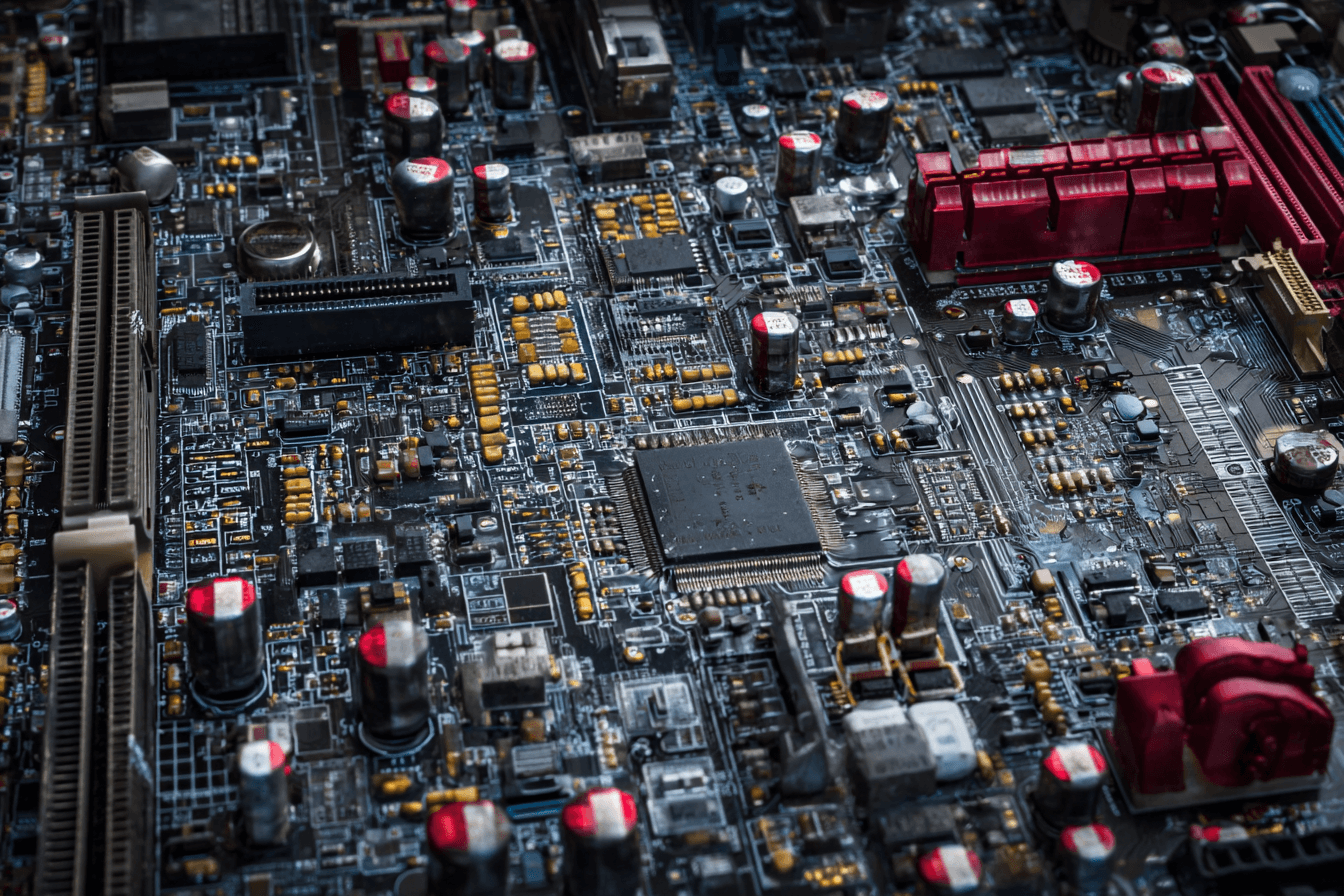
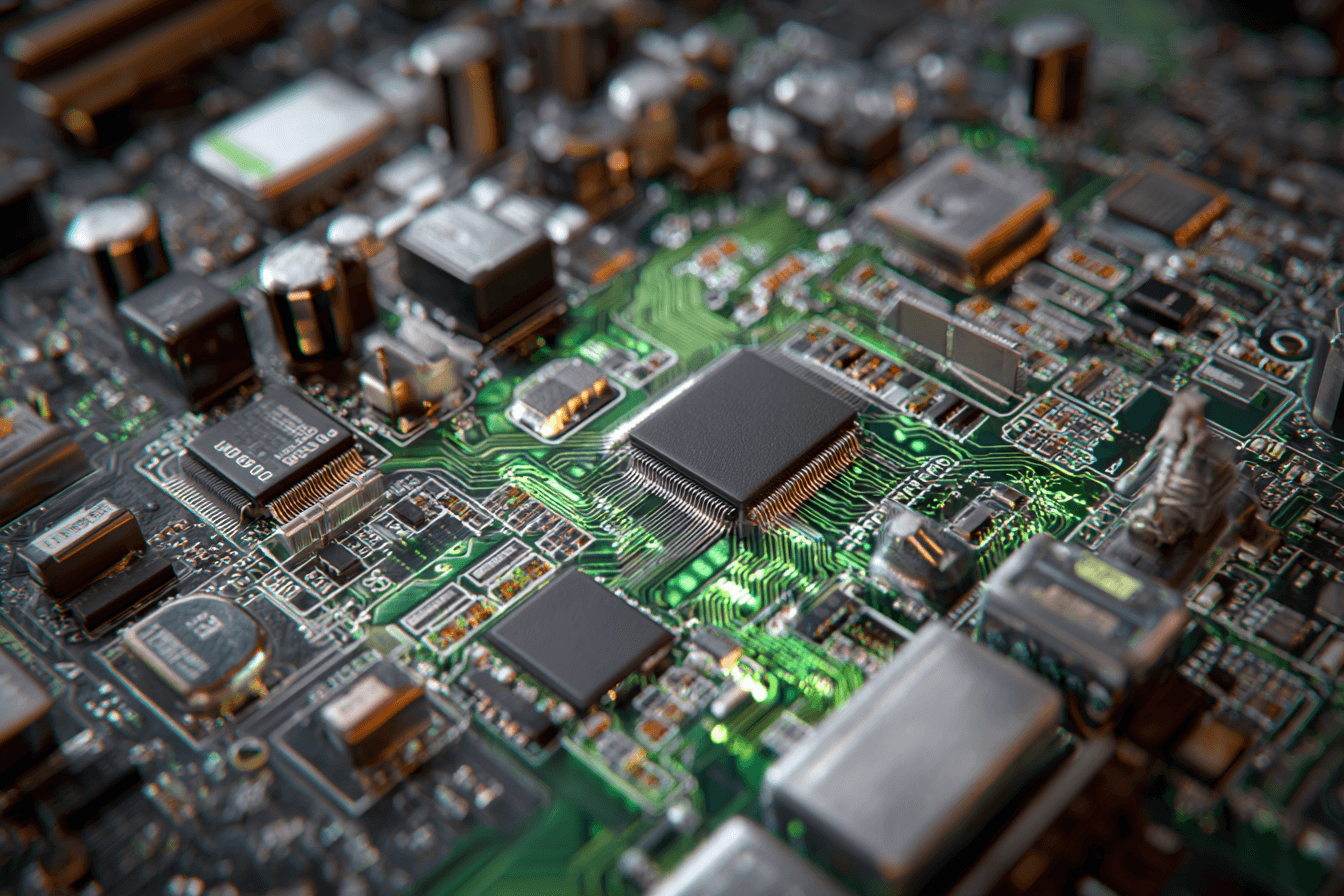
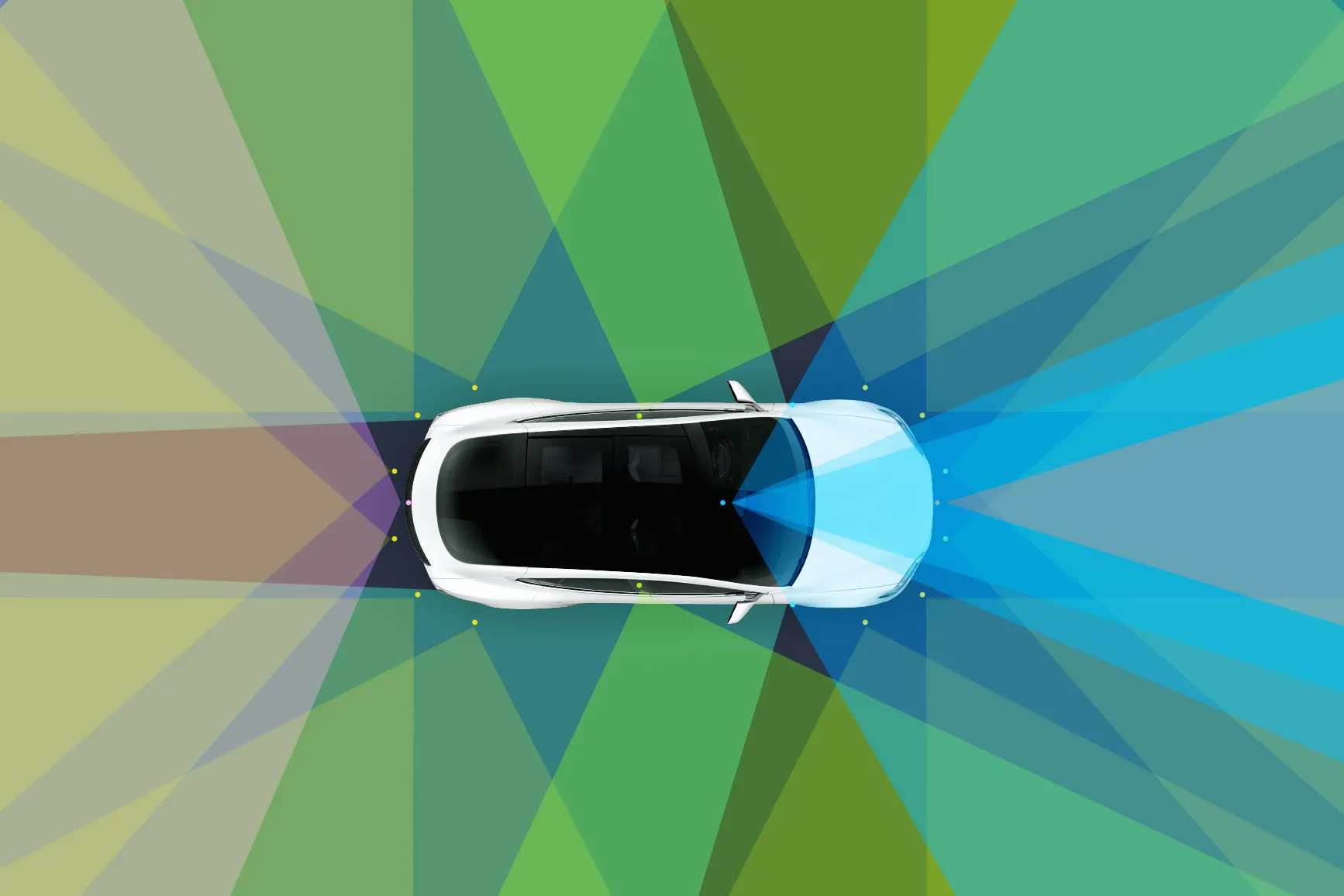
· Deterministic control at the edge: Safety-critical loops run on real-time controllers; high-level planning runs on central compute.
· Unified data fabric: Automotive Ethernet backbone with time-sync (PTP) alongside CAN-FD; lossless prioritisation for critical traffic.
· Digital twin: Live models predict thermal, traction, aero, and energy states to optimise decisions ahead of time.
· Security & privacy: Hardware root-of-trust, signed firmware, encrypted links (in-car and satellite), user-consent telemetry.

Experience in the Neo One
Alive With Intelligence
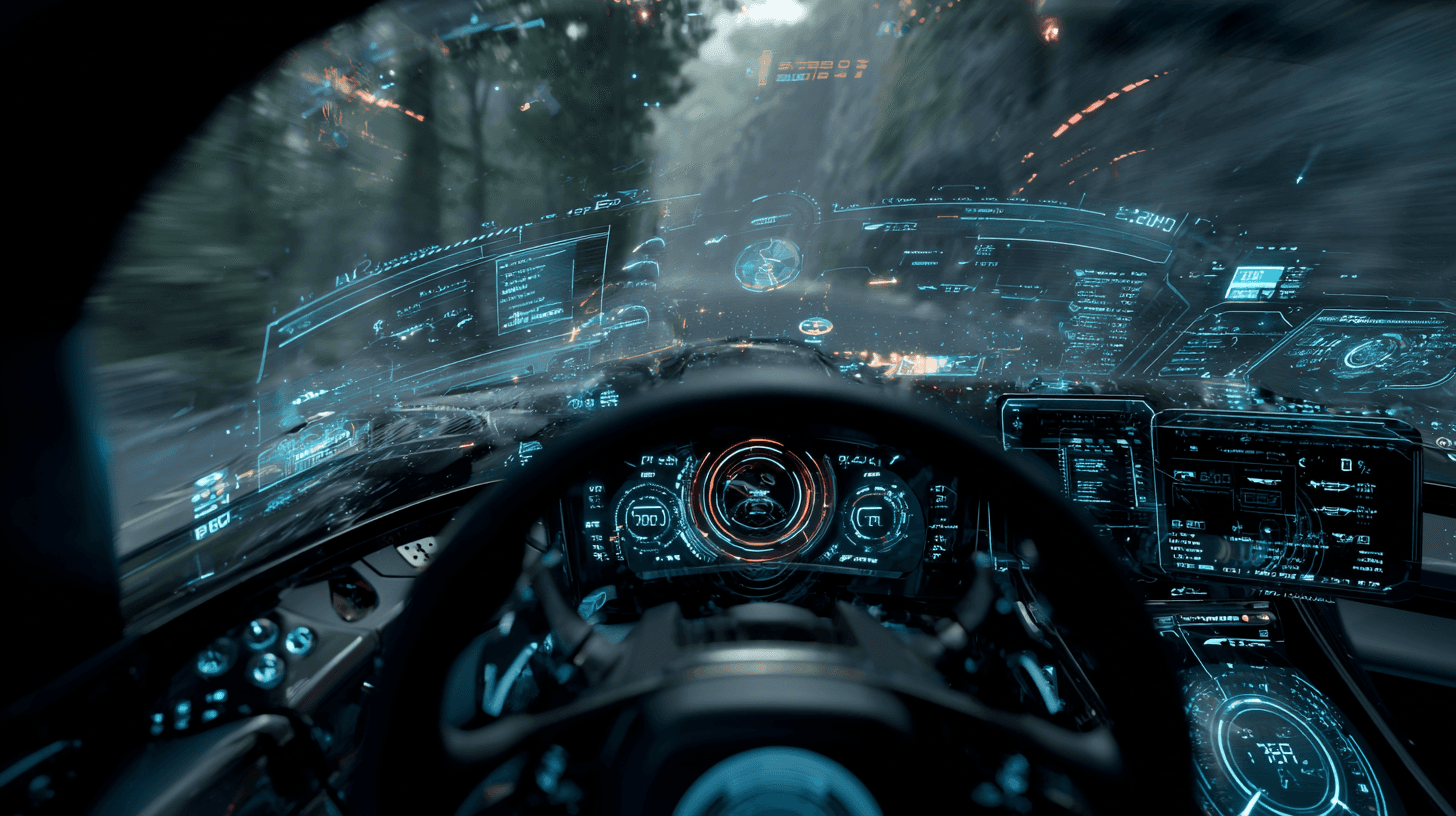
Press the accelerator: torque, aero surfaces, and damping adjust together. Enter the cabin: climate, seating, and lighting match your profile. Activate CoPilot: propulsion, braking, maps, and connectivity unify into a single flow. What you feel is one car, not many systems.
Modules
Lobes of the brain
BMS Module — “Energy, always in balance.”
Purpose: Monitor and balance every cell in the HyperCore pack for performance, longevity, and safety.
Inputs/Outputs: Cell voltages, temps, impedance, pack current; commands to contactors, pumps, and active cooling.
Control & Safety: Cell-level balancing, thermal runaway detection, segment isolation, fault logging; ASIL-D path for protection.
Body & Comfort Module — “Every detail, perfectly tuned.”
Purpose: Personalised cabin environment (HVAC endpoints, lighting, seats, glass, closures).
Inputs/Outputs: Profiles, schedules, weather; actuation to HVAC blend doors, seat motors, ambient light.
Control & Safety: Child/animal presence detection, safe egress logic, defog/defrost priority under low visibility.
Charging Module — “Power restored in moments.”
Purpose: AC/DC charge control, V2X orchestration, charge-curve optimisation.
Inputs/Outputs: Charger handshake, grid constraints, pack state, thermal headroom; commands to contactors, cooling, power limits.
Control & Safety: Plug/voltage verification, ground/ISOs checks, surge protection, charge interlocks; smart timers and cost-aware scheduling.
ECU Module — “Precision at the core.”
Purpose: Central compute & coordination hub for non-ASIL app logic, planning, UI, analytics.
Inputs/Outputs: All bus traffic; orchestrates module priorities and resolves conflicts (e.g., aero vs. cooling vs. range).
Control & Safety: Watchdogs, sandboxing, degraded-mode handover to safety ECUs on anomaly.
HV & LV Power Management — “Electricity, orchestrated.”
Purpose: Budget and route energy across 800–1000 V HV domain and 12–48 V auxiliaries.
Inputs/Outputs: Pack state, instantaneous loads, regen availability; DC-DC commands, load shedding, generator requests (regen).
Control & Safety: Fault isolation, brownout prevention, emergency reserve for steer/stop/telemetry.
Propulsion Module — “Motion, harmonised.”
Purpose: Control of Axrad Nexis motors and the Orthrus drive unit (dual six-phase).
Inputs/Outputs: Pedal and CoPilot requests, traction/μ estimates, thermal limits; inverter PWM, phase current setpoints.
Control & Safety: Anti-jerk shaping, overspeed/overcurrent protection, limp-home single-motor capability.
Active Aerodynamics — “Air, in motion.”
Purpose: Real-time drag/downforce and cooling aperture control.
Inputs/Outputs: Speed, yaw, lateral g, track mode, thermal demand; commands to wings, flaps, shutters, underbody valves.
Control & Safety: Position sensors and stow-safe profiles; fail-fixed strategies at high speed.
Regenerative Braking — “Every stop, more to go.”
Purpose: Maximise energy recovery while preserving pedal feel and stopping distance.
Inputs/Outputs: Brake pedal, wheel speeds, SOC/thermal margin; motor regen torque, friction brake blend.
Control & Safety: ABS/ESC integration, wet/low-μ adjustment, fade compensation, consistent pedal mapping.
Regenerative & Predictive Suspension — “Suspension that learns.”
Purpose: Electromagnetic damping with energy recapture; predictive prep for road events.
Inputs/Outputs: Wheel travel, accelerometers, camera/lidar road read; damper currents, ride-height valves.
Control & Safety: Hard-stop protections, body-control limits, regen ceiling under low traction.
Thermal Management & HVAC — “Comfort in every climate.”
Purpose: Thermal loop orchestration for motors, inverters, battery, cabin; immersion cooling management.
Inputs/Outputs: Core temps, weather, solar load, user setpoints; pump/fan speeds, valve states, heat-pump mode.
Control & Safety: Priority rules (safety→performance→comfort), frost/overheat prevention, coolant leakage detection.
Torque Vectoring — “Control, down to the millisecond.”
Purpose: Wheel-by-wheel torque allocation for agility, stability, and launch performance.
Inputs/Outputs: Steering, yaw rate, slip, tyre μ model; left/right torque deltas, aero hints.
Control & Safety: Plausibility checks, under/oversteer correction, seamless transition with ESC and CoPilot.
Starlink Connectivity — “High-speed connection, anywhere.”
Purpose: Satellite-backed data link for OTA, maps, cloud services, remote diagnostics.
Inputs/Outputs: Telemetry envelopes, map tiles, media, OTA bundles; antenna steering and QoS policy.
Control & Safety: Encrypted tunnels, bandwidth shaping; critical updates scheduled with power/thermal headroom.
Subsystem | Target Loop/Latency | Typical ASIL | Primary Interfaces |
|---|---|---|---|
Propulsion & Torque Vectoring | 1-2ms inner loops | C/D | Inverter PWM, wheel speed, steering |
Active Aero | <100ms position updates | B | Position sensors, LIN/CAN, Ethernet |
Regenerative Braking (blending) | 2-5ms torque updates | D | Brake ECU, ABS/ESC, inverter setpoints |
Predictive Suspension | 2-10ms damping updates | C | Damper drivers, IMU, road preview |
Thermal & HVAC | 100-500ms | B | Pumps, valves, fans, heat-pumps |
BMS | 10-100ms cell polling | D | Cell taps, temp sensors, contractors |
HV/LV Power Mgmt | 10-50ms budgeting | C | DC-DC, Load controllers |
ECU (Coordination/UI) | 10-50ms non-ASIL | QM | Ethernet backbone, HMI |
Starlink Link | 20-60ms avg satellite RTT | QM | Encrypted IP tunnels |
Looking Ahead
Intelligence That Evolves
Hyper OS is designed to extend. New driving modes, smarter energy strategies, richer autonomy behaviours, and expanded aero/suspension playbooks arrive over the air. The result is a car that improves with time — not just maintained, but meaningfully upgraded